
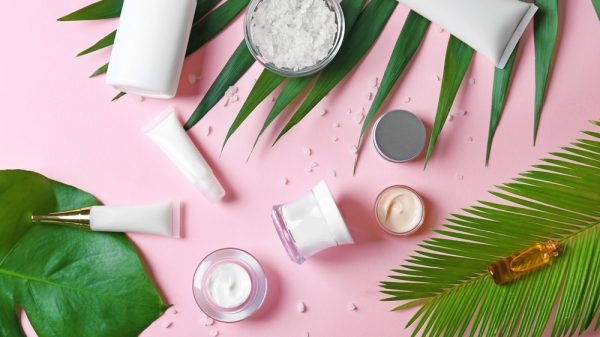
Kaolin, a widely used natural ingredient in cosmetics, is primarily used as a key raw material for cleansing, oil control, base filling, and soothing and repairing, thanks to its excellent adsorption properties, gentleness, and fine texture.
The application of kaolin in cleansing products mainly relies on its adsorption and cleansing properties, achieving optimized cleansing through three core functions:
(1) Firstly, its porous structure provides strong adsorption, deeply cleansing the skin by absorbing surface oils, dirt, and environmental pollutants, making it particularly suitable for oily, combination, or acne-prone skin.
(2) Secondly, through physical cleansing, its fine particles gently remove dead skin cells, promoting skin renewal while avoiding excessive friction and irritation.
(3) Finally, it provides oil control and astringent effects, reducing excess sebum secretion and helping to tighten pores, leaving the skin feeling refreshed.
In formulation and application design, it is typically added at a concentration of 1-5% and combined with amino acid surfactants to balance cleansing power. Higher concentrations may lead to excessive dryness or a thick paste. It is usually combined with amino acid surfactants (such as sodium cocoyl glycinate) to balance cleansing power and gentleness. It is also combined with moisturizers such as glycerin, hyaluronic acid, or soothing ingredients such as panthenol and allantoin to alleviate potential dryness.
In terms of processing, attention should first be paid to dispersion pretreatment. Kaolin needs to be mixed and dispersed with a small amount of water or polyols (such as propylene glycol) to avoid clumping when added directly. Secondly, low-temperature addition is crucial; it should be added in the later stage of the emulsification process (temperature below 40°C) to prevent high temperatures from damaging its adsorption structure. Finally, adjusting the pH is important, maintaining the formula pH between 5.5 and 7.0 (slightly acidic to neutral) to avoid affecting stability or irritating the skin, meeting the “clean but not dry” cleansing needs of different skin types. Kaolin clay facial cleansers can be developed into various sub-types based on different skin types and functional requirements. Differentiation is primarily achieved by adjusting the formulation system and ingredient ratios. For example:
Oil-control facial cleanser: 3-5% kaolin clay + salicylic acid/tea tree oil, suitable for oily skin, enhancing oil control and anti-acne effects.
Gentle cleansing gel: 1%-2% low-proportion kaolin clay + APG surfactants (glucosides), suitable for sensitive skin.
Exfoliating facial scrub: Combined with fine particles, such as cellulose, to enhance physical exfoliation.
Moisturizing and balancing type: Combined with hyaluronic acid, suitable for dry skin;
Anti-acne treatment type: Combined with sulfur, specifically for acne-prone skin;
High-end mineral type: Calcined kaolin clay, a luxury product.
When using these products, it’s important to note that dry/sensitive skin types should use a lower concentration or combine with more moisturizing ingredients, such as squalane. A small amount of silicone oil or light oils (such as jojoba esters) can be added to optimize the skin feel and prevent tightness after washing.
These products require strict control of pH value (5.5-6.5) and particle size (above 2000 mesh). The gentle type formulated with amino acid surfactants is the most popular in the market, with an annual growth rate of 15%, reflecting consumers’ core demands for deep cleansing and gentle balance. By adjusting the kaolin clay content, compounding ingredients, and process parameters, it is possible to precisely meet the comprehensive cleansing needs of all skin types, from oily to dry, and from daily cleansing to special care. Through reasonable proportioning and process design, kaolin clay can significantly improve the cleansing efficiency of facial cleansers while maintaining gentleness, meeting the needs of different skin types.