
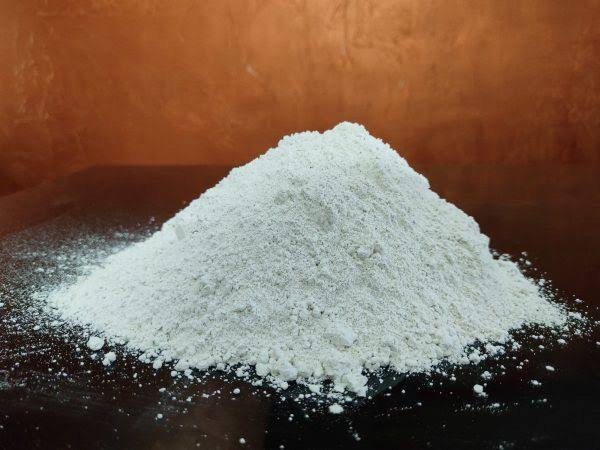
Quartz powder is valued for its chemical stability, hardness, insulation properties and low thermal expansion. As it moves into higher-end filler applications, however, consistent particle control becomes increasingly important. The process must deliver the required fineness without introducing an unacceptable level of oversize particles, contamination or unnecessary energy use.
A typical dry route combines fine grinding with air classification. Grinding reduces the feed to the required range, while the classifier separates qualified particles from coarse material for recirculation. This closed-loop approach is useful when a narrow particle size distribution is needed for coatings, plastics, copper-clad laminates or other formulated materials.
Surface modification can add another level of performance. In polymer systems, untreated mineral particles may not disperse evenly or bond effectively with the matrix. A suitable coating process can improve compatibility and help the powder distribute more uniformly during compounding. The coating agent and process conditions should be selected according to the resin system, filler loading and final application.
Because quartz quality varies by deposit, the processing line should be designed around the actual raw material. Feed size, moisture, impurity level, target size and required capacity are practical inputs for defining the mill, classifier and modification system.